Coworking Spaces in Lahore: The Complete Guide to Finding Your Perfect Workspace
Bouncing between your kitchen table, a noisy cafe, and a wifi meltdown right before a client call? Here is what coworking actually means in Lahore, the problems it solves, and how to tell whether it is the right move for you.
If you've been bouncing between your kitchen table, a noisy café, and the occasional coffee-shop wifi meltdown right before an important client call, you already know why so many people in Lahore are searching for something better. Working from home sounds ideal until the doorbell rings during a pitch, the internet drops mid-Zoom call, or the power goes out at the exact moment you're exporting a file you've spent three hours on. That's the exact gap coworking spaces were built to fill, and Lahore's version of this trend has grown into something far more mature than a few desks and free coffee.
Whether you're a freelancer tired of talking to your cat all day, a startup founder who can't justify a two-year lease, or a corporate team testing hybrid work, this guide walks through what coworking actually means in Lahore, what problems it solves, and how to figure out whether it's the right move for you.
Is a Coworking Space Worth It in Lahore?
Whether coworking is worth the monthly cost really comes down to what problem you're trying to solve. If you're already productive at home, have reliable internet and power, and don't need client-facing meeting space, you might not get enough value to justify the expense. But if unreliable infrastructure, isolation, or the lack of a professional environment for calls and meetings is genuinely costing you time, credibility, or sanity, the math tends to work out in favor of coworking pretty quickly. For a small startup team, the calculation is even more straightforward, since the alternative of signing a lease, buying furniture, hiring facilities staff costs significantly more upfront than a flexible per-seat monthly plan. Below is a general comparison to help frame the decision:
| Option | Setup Cost | Flexibility | Internet/Power Reliability | Best For |
|---|---|---|---|---|
| Traditional Office | High (lease + fit-out) | Low | Depends on landlord | Established companies |
| Working From Home | Very low | High | Inconsistent | Highly disciplined solo workers |
| Café | None | Medium | Shared, unreliable | Casual, short work sessions |
| Coworking Space | Low (monthly fee) | High | Dedicated, backed up | Freelancers, startups, hybrid teams |
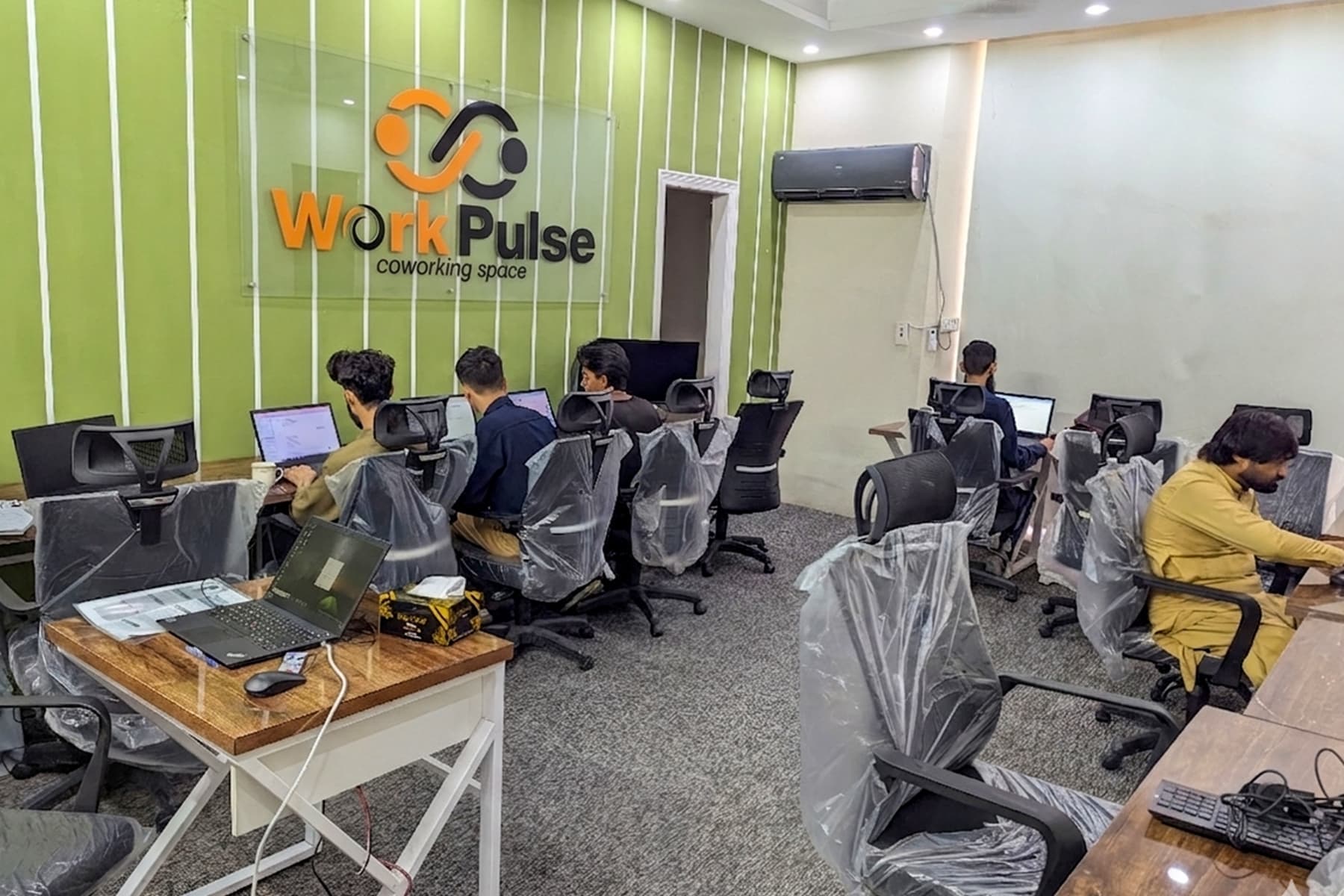
At WorkPulse in Johar Town, this plays out through tiered plans built around exactly these needs — a Shared Space option for individuals who want an open, amenity-rich desk, a Private Room for small teams needing enclosed space, and a Dedicated Pod for anyone who wants an ultra-private, soundproof setup. Every tier includes the fundamentals that actually solve the problems discussed throughout this guide: 24/7 power backup with UPS and generator support, dedicated high-speed LAN and Wi-Fi, soundproof meeting room access, biometric security, and a dedicated dining area with tea service and kitchen access. None of that guarantees coworking is the right move for every single person reading this, but it does mean the decision doesn't have to be a leap of faith — you can walk in, see the setup, and judge for yourself whether it solves the specific problem that brought you here in the first place.
Why Coworking Spaces Are Booming in Lahore Right Now
Lahore's work culture has shifted dramatically over the past few years, and it's not hard to see why. Freelancing and remote work exploded across Pakistan, with the freelancing sector reportedly surpassing 3 million workers in 2022 and continuing to grow every year, which naturally created demand for professional places to actually get work done outside the house. At the same time, startups in the city have been hunting for office solutions that don't tie them down to a five-year lease before they even know if their business model works. Add in the fact that many companies now run hybrid teams, where employees split time between home and office, and you get a perfect storm of demand for flexible, ready-to-use workspace.
Coworking fits neatly into this shift because it removes the upfront cost and long-term commitment of a traditional office while still giving people the structure, internet, and professional environment they need to actually be productive. It's not a coincidence that neighborhoods like Gulberg, DHA, and Johar Town have become hotspots for these spaces — these locations sit at the heart of Lahore's business and tech scene, which is exactly the kind of environment that helps startups and independent professionals thrive. Think of it like renting a fully furnished apartment instead of buying a house and filling it with furniture yourself — you get the benefits immediately, without the years of setup and risk.
There's also a very practical, very Lahore-specific reason coworking has caught on: infrastructure headaches. Anyone who has worked from home in this city knows that a home internet connection can be a gamble, and load shedding doesn't exactly respect your meeting schedule. Coworking operators solve both problems by building in redundancy that an individual household usually can't afford or justify. Beyond the technical stuff, there's a social element too. Working alone for months can quietly wear a person down, even if they'd never admit it out loud, and a shared workspace gives people a reason to get dressed, leave the house, and interact with other humans who are also grinding away at their own goals. That combination of reliability, professionalism, and community is really the engine behind Lahore's coworking growth, and it's why the market keeps expanding rather than shrinking.
What Exactly Is a Coworking Space, Anyway?
At its simplest, a coworking space is a shared professional environment where people from different companies, industries, and backgrounds pay to use desks, offices, meeting rooms, and amenities on flexible terms — daily, monthly, or longer. Instead of signing a rigid lease and furnishing an entire office yourself, you essentially plug into infrastructure that's already built, tested, and maintained by someone else. This can mean anything from a single hot desk in an open floor plan to a fully private, lockable office for a five-person team, and most operators offer a mix of both so members can scale up or down as their needs change. The beauty of the model is its flexibility: a freelancer might need one desk for a month, while a growing startup might need a private room with room to add three more seats next quarter, and a good coworking space accommodates both without forcing anyone into a one-size-fits-all contract. It's a bit like a gym membership for your work life — you're not buying the equipment, you're buying access to it, along with the environment that makes using it worthwhile.
But knowing what coworking is doesn't automatically tell you whether it's the right fit compared to your other options. Most people weighing a coworking space are really comparing it against three alternatives they already know: the traditional office, working from home, and the neighborhood café. Each of these has its own trade-offs, and understanding where coworking sits between them makes the decision a lot clearer.
Coworking Space vs Traditional Office
A traditional office usually means a long-term lease, upfront capital for furniture and fit-out, ongoing utility bills, and the administrative burden of managing internet, security, and maintenance yourself. That's a heavy lift for a small team or a solo founder who isn't even sure how many people they'll be employing in six months. Coworking flips this equation by bundling all of that into one predictable monthly fee, meaning you can walk in with a laptop and start working the same day, with power backup, internet, and cleaning already handled. The trade-off is that you generally have less control over customization and layout compared to a space you lease and build yourself, and shared amenities mean you're not the only company using the building. For most startups and small teams in Lahore, though, the reduced risk and faster setup time make coworking the more sensible starting point, especially before committing to the overhead of a full private office.
Coworking Space vs Working From Home
Working from home sounds appealing on paper — no commute, no dress code, full control over your environment — but the reality is often messier. Household distractions, inconsistent internet, unreliable electricity during load shedding hours, and the psychological blur between "home" and "work" can quietly chip away at productivity over time. A coworking space creates a clear boundary: you go there to work, and you leave when you're done, which helps a lot of people mentally separate their personal life from their professional one. It also solves the practical problems home setups usually can't, since dedicated LAN connections, backup power, and a quiet environment built for focus are things most home offices simply don't have. That said, working from home wins on cost and convenience for someone who genuinely doesn't need external structure to stay productive, so the right choice really depends on your personal work style and how disciplined you are without external accountability.
Coworking Space vs Cafe
Cafés have long been the go-to backup plan for freelancers who need wifi and a change of scenery, but anyone who's tried to take a client call over the espresso machine's grinding noise knows the limitations. Background chatter, unreliable internet that's shared with every other customer, limited seating during peak hours, and the awkwardness of overstaying your welcome after one coffee all add friction to what should be productive time. Coworking spaces remove that friction entirely by giving you dedicated bandwidth, a quiet or semi-quiet environment depending on the zone, and the freedom to stay as long as your membership allows without buying another drink every ninety minutes. Cafés still have their place for casual work sessions or quick meetings, but for anything that requires sustained focus or professional presentation — like a client pitch or a recorded webinar — a coworking space is built for exactly that purpose in a way a café never will be.
The Real Problems Coworking Spaces Solve
It's easy to talk about coworking in abstract terms, but the honest reason people actually switch is because they're solving a specific, annoying problem in their daily work life. Understanding these problems helps clarify whether coworking is a genuine fix for your situation or just a trendy expense you don't actually need.
Internet Reliability and Power Backup
For a huge number of remote workers and freelancers in Lahore, the single biggest daily frustration isn't motivation or workload — it's infrastructure. A dropped Zoom call during a client presentation or a file upload that fails halfway through because of a power cut can cost real money and real credibility, and no amount of personal discipline fixes a hardware problem. This is exactly why dedicated high-speed LAN and Wi-Fi connections, paired with round-the-clock power backup through UPS and generator systems, have become standard expectations rather than nice-to-haves in serious coworking spaces. When you're not worrying about whether your connection will hold for the next hour, you can actually focus on the work itself instead of constantly checking your router. This single factor alone is often enough to justify the monthly cost for anyone whose income depends on being reliably online, especially people serving international clients across different time zones where "the internet went down" simply isn't an acceptable excuse.
Noise, Privacy, and Zoom Call Anxiety
Video calls have become the backbone of modern work, whether it's a client check-in, a team standup, or a recorded training session, and background noise can quietly undermine how professional you come across even if your actual work is excellent. Barking dogs, construction noise, roommates, or a busy café simply aren't compatible with the level of polish clients expect these days. Coworking spaces address this with soundproof meeting rooms and quieter zones specifically designed for calls, giving members a space where they can present themselves professionally without worrying about what's happening in the background. Privacy matters here too, since sensitive client conversations or confidential business discussions aren't something you want happening within earshot of strangers at a coffee shop. Having access to a proper meeting room, even occasionally, changes how confidently you can run client-facing work, and it's one of those things people don't realize they need until they've experienced the difference.
Isolation for Freelancers and Remote Workers
The problem nobody talks about enough is the loneliness that creeps in when you work alone for months at a time. Freelancers and remote workers often describe a strange paradox where they're constantly "connected" online but rarely interact with another human being face to face during the actual workday, and that isolation can slowly affect motivation, mental health, and even creativity. A shared workspace puts you in physical proximity to other professionals who are grinding through their own projects, and that alone creates a low-key sense of accountability and community that's hard to replicate at home. You don't need to become best friends with everyone in the room, but simply being around other people who are also focused and working tends to rub off in a positive way. Plenty of freelancers describe their coworking space as the thing that finally made freelancing feel less like a solo grind and more like a normal, structured job — just one where they happen to choose their own clients.
Types of Workspaces You'll Find in Lahore
Not every coworking membership looks the same, and understanding the different formats available helps you avoid paying for more — or less — than you actually need. Most established spaces in Lahore offer a tiered structure so members can start small and scale up as their situation changes.
Shared Desks and Hot Desks
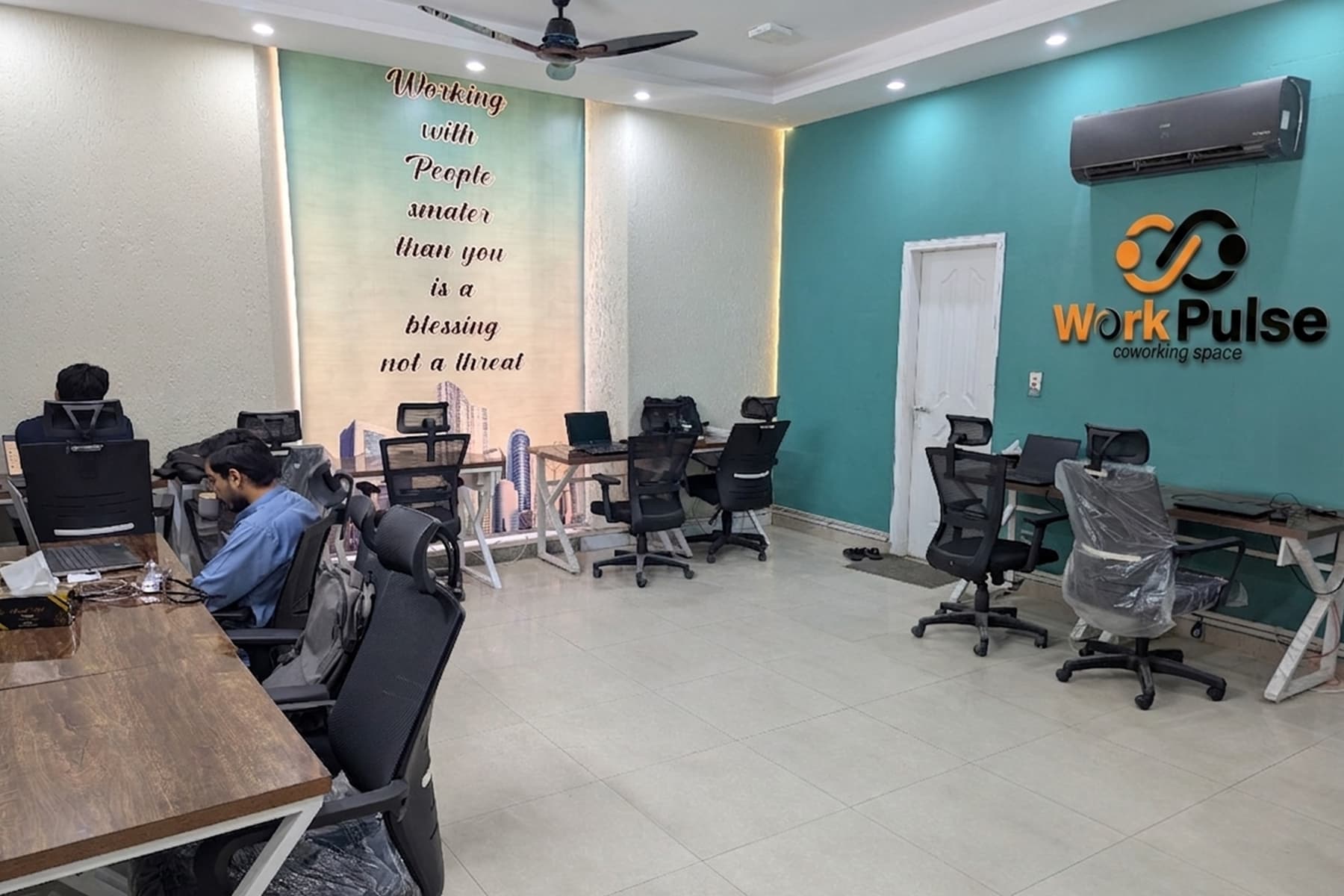
Shared or hot desk arrangements are usually the entry point into coworking, giving you access to an open working area alongside other members without a fixed, assigned seat. This setup works well for freelancers, remote employees, or anyone who mainly needs a reliable desk, internet, and a professional atmosphere without requiring a locked, private space of their own. It's the most budget-conscious option while still including the core amenities that make coworking worthwhile, like power backup and dedicated internet, and it's a low-commitment way to test whether the coworking model actually fits your work style before investing in something bigger.
Private Rooms and Dedicated Pods
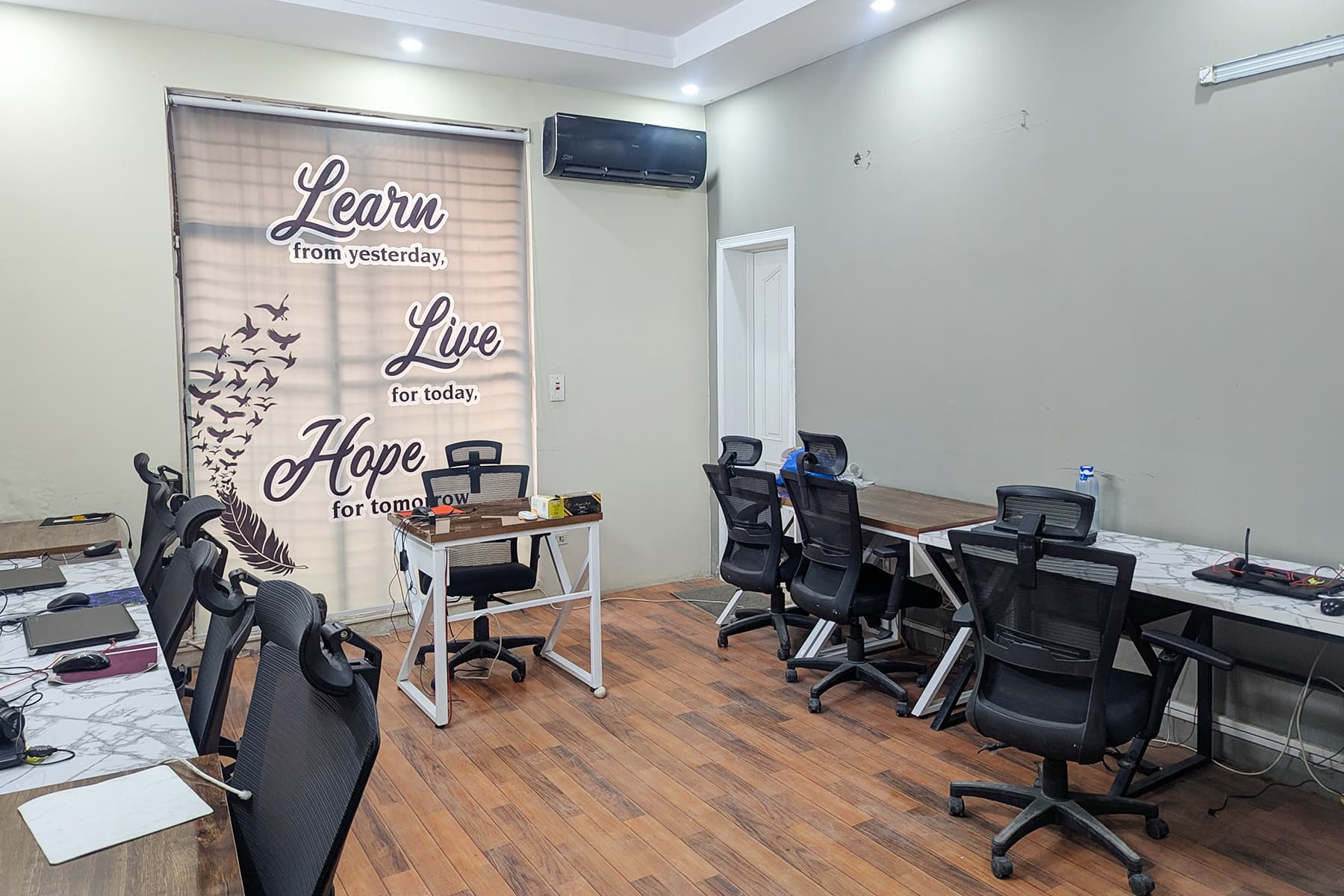
For people who need more privacy, focus, or space for a small team, private rooms and dedicated pods offer an enclosed alternative within the same building. A dedicated pod tends to suit a single person who wants a soundproof, distraction-free environment for calls and deep work, while a private room is generally structured for small teams that want their own enclosed space without managing an entire independent office. At WorkPulse, for example, the private room option requires a minimum of five seats, making it a natural fit for a small startup team rather than a solo freelancer, while the dedicated pod is designed as an ultra-private single-person option for someone who wants total quiet. These formats bridge the gap between fully open coworking and a completely private office, giving growing teams room to expand without disrupting their workflow every time headcount changes.
Meeting Rooms
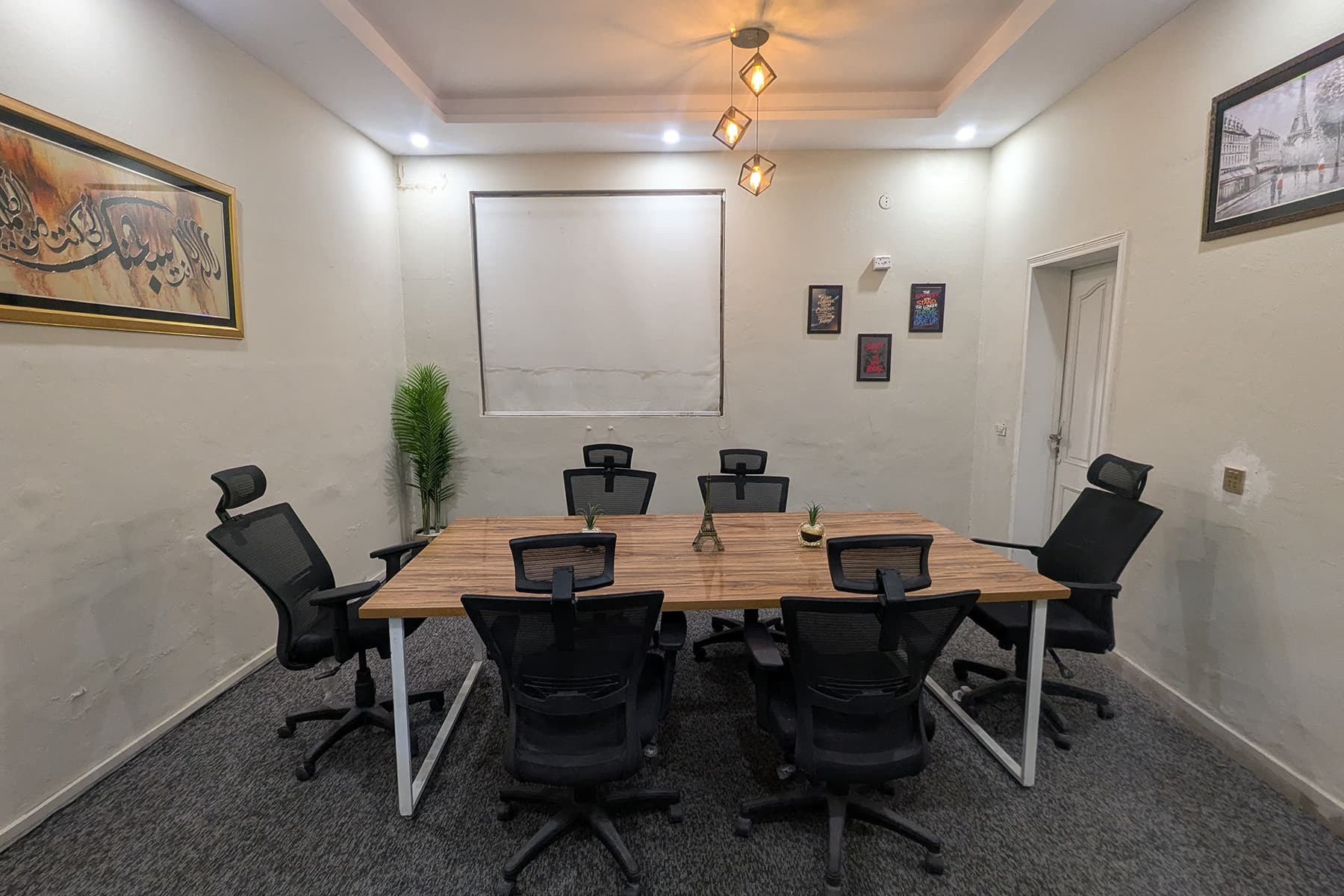
Even members who primarily use shared or private desks still need access to a proper meeting room from time to time, whether for a client pitch, a team planning session, or a recorded presentation. Good coworking spaces include soundproof meeting rooms with proper AV setups as part of the membership, meaning you don't need to book an external venue every time you have an important call. This matters more than people expect, since the difference between presenting from a professional meeting room versus a noisy open desk can genuinely affect how a client perceives your business. Having this available on-site, rather than as a separate rented add-on, is one of the details worth checking before committing to any specific space.
Who Actually Needs a Coworking Space?
Coworking isn't universally necessary — plenty of people are perfectly productive working from home or a traditional office — but certain groups tend to benefit from it far more consistently than others.
Freelancers and Remote Workers
Freelancers and remote employees are probably the most natural fit for coworking, since they usually lack the built-in infrastructure of a company office but still need to show up professionally for clients and employers. The combination of reliable internet, backup power, and a quiet environment addresses the exact pain points that make working from home unpredictable, while the community aspect helps counter the isolation that often comes with solo or remote work. For someone serving international clients on tight deadlines, especially across different time zones, the reliability alone can be the difference between a smooth workday and a stressful scramble every time the power flickers.
Startups and Small Businesses
Early-stage startups face a specific challenge: they need a professional environment to meet clients and investors, but they can't justify the capital and long-term commitment of a traditional lease before their business model is proven. Coworking spaces solve this by offering month-to-month flexibility, meaning a five-person team can rent a private room today and add three more seats next quarter without renegotiating an entire lease. This flexibility extends to overhead too, since founders don't need to manage internet providers, generators, or office maintenance themselves, freeing up time and mental energy to focus on actually growing the business instead of running facilities.
Corporate and Hybrid Teams
Larger companies experimenting with hybrid work models increasingly use coworking spaces as satellite locations, giving employees a professional place to work near home without requiring a full commute to a central headquarters. This is particularly useful for teams that need occasional meeting room access or temporary project space without committing to permanent additional office square footage. It also gives companies flexibility to test new city locations or scale teams up and down without the long-term risk associated with signing a traditional commercial lease.
What to Check Before You Sign Up
Before committing to any coworking membership, it's worth walking through a short checklist rather than just picking whichever space looks nicest in photos.
- Internet speed and backup. Is it dedicated bandwidth, or shared across the whole building, and what happens during a power outage?
- Actual operating hours. Some spaces close in the evening while others, including 24/7 access setups, cater specifically to people working night shifts for overseas clients.
- What the fee includes. Look closely at what's bundled versus what costs extra, since meeting room access, printing, or kitchen facilities aren't always treated the same way across every operator.
- Visit in person. Sit at a desk during a busy hour and get a feel for the noise level and general atmosphere, because photos rarely capture what a space actually feels like to work in day after day.
Conclusion
Choosing between a coworking space, a home office, a traditional lease, or a café ultimately comes down to identifying the actual problem you're trying to fix, whether that's unreliable internet, isolation, lack of meeting space, or the need for flexible team growth. Lahore's coworking scene has matured well beyond novelty status, driven by real shifts in freelancing, startup culture, and hybrid work, and spaces built around genuine infrastructure needs — reliable power, dedicated bandwidth, and professional meeting rooms — tend to deliver the most consistent value. If any of the problems covered here sound familiar, the smartest next step is simply to visit a space in person, sit down at a desk during a working hour, and see whether it actually fits how you work before committing to a membership.
FAQs
A hot desk gives you access to any available seat in a shared area, while a dedicated desk or pod is reserved specifically for you, often with lockable storage and a more private, distraction-free setup.
Established coworking spaces typically build in 24/7 power backup through UPS and generator systems specifically to keep members working uninterrupted during outages, which is one of the biggest reasons people switch from home offices.
Generally yes, since coworking eliminates the upfront costs of leasing, furnishing, and maintaining a private office, replacing them with a predictable monthly per-seat fee that scales with your team size.
Many coworking providers support this kind of arrangement, though it varies by operator, so it's worth confirming directly with the specific space whether they offer a virtual office or registered address service alongside physical desks.
The best way is to visit during a typical working hour and specifically ask to see or use a soundproof meeting room, since general seating areas and dedicated call rooms can have very different noise levels within the same building.
See it before you commit
Book a walkthrough of WorkPulse in Johar Town, sit at a desk during a working hour, and judge the internet, the noise level and the meeting rooms for yourself.
Keep reading
Coworking Space in Johar Town, Lahore: A Practical Guide to Choosing the Right Workspace
What to compare before choosing a coworking space in Johar Town — location, connectivity, power, privacy, hours, pricing and flexibility — plus a full checklist.
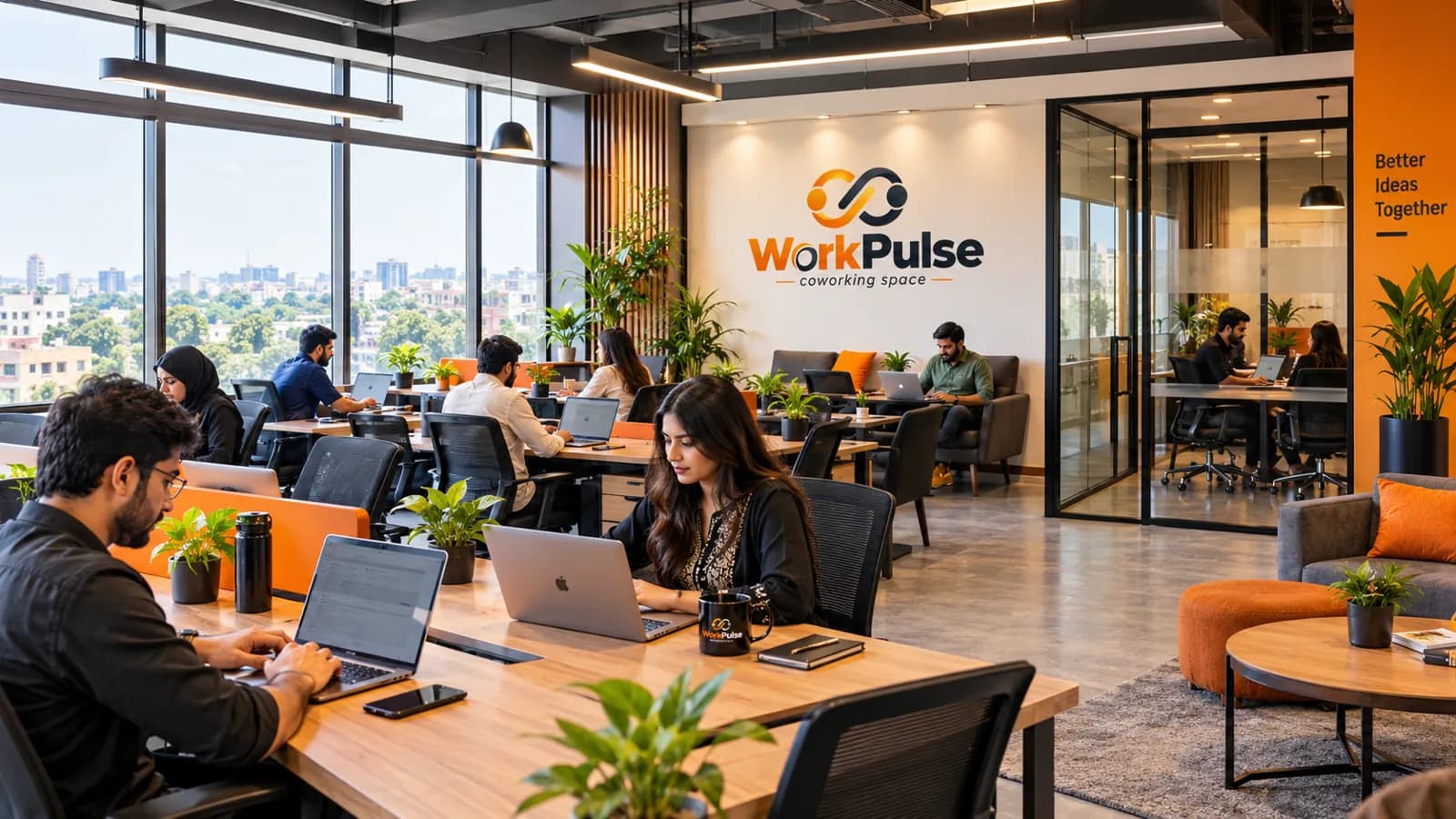
Coworking Space in Lahore: How It Works and What to Check
How coworking works, the workspace types explained, a seven-point checklist for Lahore, and WorkPulse plans and facilities in Johar Town.